The Beginner Author's Media Kit: What to Include
As a graduate of the National Speakers Association Academy, I learned a tremendous amount about becoming a professional speaker. The training elevated my skills, challenged my thinking, and gave me a deeper understanding of how to serve audiences well.
But one of the most valuable learning experiences came afterward.
I enrolled in a short program led by four highly respected meeting planners. For several weeks, I had the opportunity to listen as they openly discussed how they evaluate speakers, what catches their attention, and what makes them willing to book one presenter over another.
It felt like having a backstage pass to the decision-making process.
As a speaker, I had spent years learning what speakers thought was important. Suddenly, I was hearing directly from the people responsible for hiring them.
The experience changed the way I approached speaking opportunities.
One lesson stood out above the rest:
Professional speakers make it easy for event planners to say yes.
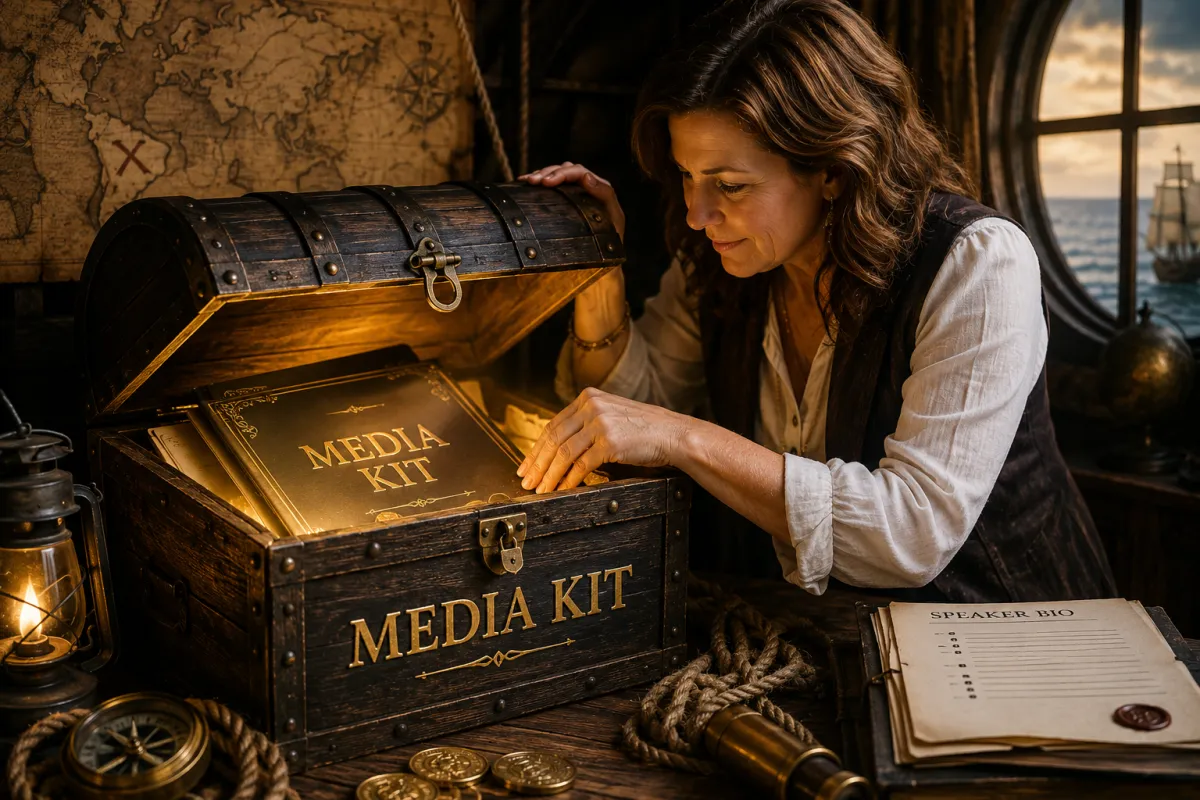
One of the simplest ways to do that is with a professional media kit.
If you're an author hoping to speak, appear on podcasts, participate in events, or build your visibility, a media kit is one of the most important tools you can create.
What Is a Media Kit?
A media kit is a collection of information that introduces you professionally.
Think of it as your author's resume.
It provides event planners, podcast hosts, conference organizers, bookstores, and media outlets with the information they need to quickly determine whether you're a good fit for their audience.
A strong media kit saves time for everyone involved and positions you as a professional.
Why Every Author Needs a Media Kit
Many authors assume they only need a media kit after they become successful.
The truth is exactly the opposite.
You need a media kit before the opportunities arrive.
When a planner asks for information, you don't want to spend three days searching for photos, rewriting your bio, and trying to remember your speaking topics.
A media kit allows you to respond quickly and confidently.
It tells people you're serious about your message and prepared to serve their audience.
7 Things Every Author Media Kit Should Include
1. Professional Headshots
Include at least one high-quality professional photo.
It's helpful to have both horizontal and vertical versions available for different uses.
Make it easy for event planners and media outlets to download and use your images.
2. A Short Bio
Create a brief bio of approximately 50-100 words.
This version is often used by podcast hosts, conference emcees, and event programs.
3. A Longer Bio
Provide a longer version that tells more of your story, background, expertise, and accomplishments.
This gives organizers flexibility when introducing you.
4. Book Information
Include your book covers, book descriptions, and purchasing information.
Your books contribute to your credibility and help establish your authority on a topic.
5. Speaking Topics
Clearly outline the presentations, workshops, or keynote topics you offer.
Be specific about the outcomes attendees can expect.
6. Contact Information
Don't make people hunt for ways to reach you.
Include your website, email address, and any preferred contact methods.
7. Event Planner Resources
Consider including items such as:
Speaker one-sheets
Introduction scripts
Technical requirements
Promotional photos
Sample interview questions
Downloadable media kit PDF
The easier you make an event planner's job, the more likely they are to remember you.
Make It Easy to Say Yes
One lesson I learned from listening to professional meeting planners is that they are incredibly busy.
They're juggling venues, catering, registrations, sponsors, schedules, and a hundred other details.
When a speaker provides everything they need in one place, it immediately reduces friction.
The goal isn't simply to look professional.
The goal is to make their job easier.
When you do that, you increase the likelihood they'll consider you for future opportunities.
See a Real-World Example
Want to see what a professional media kit looks like?
Visit my Speaker Page to view examples of:
Speaker bios
One-sheets
Speaking topics
Event planner resources
Media kit materials
Seeing an example can often make creating your own much easier.
Your Next Waypoint
If you don't currently have a media kit, don't worry.
Start with what you already have.
Gather a headshot.
Write a short bio.
List your speaking topics.
Collect information about your books.
You may discover you're much closer to having a media kit than you think.
Remember, opportunities tend to come to those who are prepared when the door opens.
Related Compass Stops
The Author Visibility Road Map: 7 Ways to Grow Beyond Simply Writing a Book
What Authors Should Know Before Pursuing Speaking Opportunities
How Authors Can Find Speaking Opportunities Using Their Books
Question for You
If someone asked for your media kit today, what would be the first thing you'd need to create?
Recommended Resource
One of the best resources I've found for understanding meeting planners is Frankly Speaking by Maralynn Adams, CMP; Bonni Scepkowski, SFP; Tracey Smith, CMP, CMM; and Shawna Suckow, CMP, SFP.
These experienced event planners openly share what speakers do well, common mistakes speakers make, and what planners are really looking for when booking speakers.
If speaking is part of your author journey, I highly recommend adding it to your reading list.
Get the book here: Frankly Speaking
Affiliate Disclosure: If you purchase through the link above, I may receive a small commission at no additional cost to you. I only recommend resources I believe provide value.
Related Resource
Need a clearer next step for your author journey? Explore DeeDee Lake’s Author Resources for practical tools, encouragement, and guidance for the business side of writing.
Explore Author Resources:https://deedeelake.com/author-resources