
Do Authors Really Need a Business Plan?
Most aspiring authors start with the same goal: finish the book.
But successful authors often begin somewhere else entirely — by learning how to start an author business.
They start by thinking like a business owner.
Writing the book is the creative mission. But building an author career requires something more—clarity about direction, audience, and opportunity. That’s where an author business plan comes in.
And don’t worry—this isn’t a twenty-page corporate document. It’s simply a roadmap that keeps your writing journey moving forward with purpose.
Why Writing a Book and Running an Author Business Are Different
Writing a book is an incredible accomplishment.
But publishing a book introduces a completely different reality.
Suddenly there are questions like:
Who is my ideal reader?
How will readers discover my book?
Where will I sell it?
What opportunities might grow from it?
These are business questions, not writing questions. Writing organizations like the Authors Guild often encourage authors to think about the long-term business side of publishing.
Thinking about them early helps authors avoid one of the most common frustrations in publishing: finishing the book but having no clear plan for what comes next.
What Goes Into a Simple Author Business Plan?

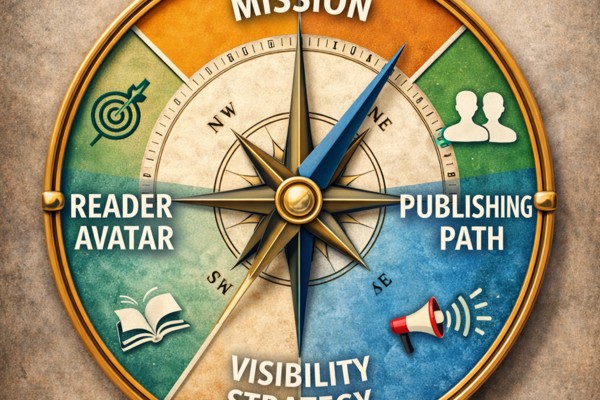
The good news is that an author business plan can actually be very simple. Think of it as a one-page compass for your writing journey.
Here are a few foundational elements:
1. Your Mission
Why are you writing?
Is your goal to inspire readers, grow a speaking platform, strengthen your ministry, or support your professional expertise?
Your mission shapes every decision that follows.
2. Your Reader Avatar
Successful authors know exactly who they are writing for.
Ask yourself:
Who will benefit most from my book?
What problems are they facing?
What transformation will my message offer?
Understanding your reader helps guide everything from marketing to future book ideas.
3. Your Publishing Path
There are several ways to publish today, including:
Traditional publishing
Self-publishing
Hybrid publishing
Each path has different levels of control, cost, and timeline. Choosing the right route depends on your goals and resources.
4. Your Visibility Strategy
Even the best books need visibility. Your business plan might include ideas such as:
speaking opportunities
partnerships with organizations
podcast interviews
social media presence
building an email list
Visibility doesn’t happen overnight, but starting early creates momentum. Many writers eventually discover that authors earn money from multiple income streams, not just book sales.
Why This Step Matters More Than You Think
Many authors wait until their manuscript is finished before thinking about the business side of publishing. By then, opportunities may have been missed.
Taking time to map out your direction early can bring:
✔ clearer goals
✔ smarter publishing decisions
✔ stronger marketing strategies
✔ greater long-term impact
In other words, a simple business plan keeps your author journey moving forward with intention instead of guesswork.
Chart Your Next Step
If you’re just beginning to explore the business side of writing, start with this question:
What do you want your book to accomplish beyond the final page?
Your answer may become the foundation of your author business plan—and the beginning of a much bigger journey.
What is one goal you hope your book will accomplish for your readers or your career?
Explore More Author Business Guides
If you're navigating the business side of writing and publishing, these resources from the Authorpreneur Compass may help:
• How to Start an Author Business (Not Just Write a Book)
• Traditional vs Self-Publishing: Which Is Right for You?
• How Much Does It Cost to Publish a Book?
• How Authors Actually Make Money
• Do Authors Really Need an Author Business Plan?
• 7 Things Every Author Needs Before Publishing a Book
Related Resource
Need a clearer next step for your author journey? Explore DeeDee Lake’s Author Resources for practical tools, encouragement, and guidance for the business side of writing.
Explore Author Resources:https://deedeelake.com/author-resources